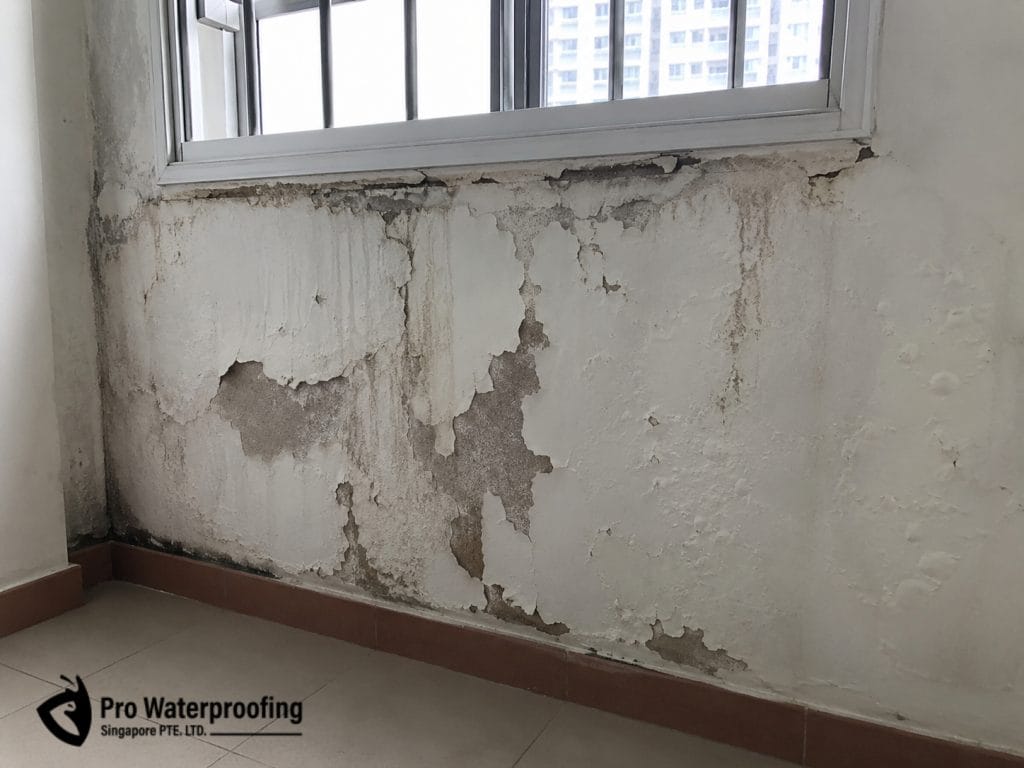
External Wall Seepage Singapore: Professional Solutions for Peeling Paint, Bubbling Walls & Water Leakage
External wall seepage is one of the most common waterproofing problems affecting residential and commercial properties throughout Singapore. While many homeowners first notice peeling paint, bubbling plaster, or mould growth on their interior walls, the actual source of the problem is often hidden on the outside of the building.
Singapore’s tropical climate exposes buildings to intense sunlight, frequent thunderstorms, heavy monsoon rain, and high humidity throughout the year. These weather conditions gradually weaken exterior walls, allowing rainwater to penetrate through tiny cracks and porous concrete. Once moisture enters the building structure, it travels through the wall before appearing indoors as damp patches, bubbling paint, mould, or water stains.
Many property owners simply repaint the damaged area, believing the problem has been solved. Unfortunately, repainting only hides the symptoms while the water continues penetrating from outside. Unless the source of the seepage is professionally repaired, the damage will continue to worsen over time.
At Pro Waterproofing Singapore PTE. LTD., we specialize in advanced external wall waterproofing solutions that stop water infiltration at its source. Our professional waterproofing systems are designed specifically for Singapore’s challenging weather conditions, protecting homes and buildings from long-term water damage.
What Is External Wall Seepage?
External wall seepage occurs when rainwater penetrates the outer facade of a building through cracks, deteriorated concrete, failed sealants, damaged render, or porous wall surfaces. Once water enters the wall, it gradually migrates inward and eventually appears inside the property.
Unlike plumbing leaks, external wall seepage is heavily influenced by rainfall. Many homeowners notice that damp patches become larger after heavy rain and slowly dry out during extended periods of sunny weather.
If left untreated, water infiltration can cause serious cosmetic and structural damage while creating unhealthy indoor conditions.
Why External Wall Seepage Is Common in Singapore
Singapore’s climate creates ideal conditions for external wall waterproofing failure.
- Frequent heavy rainfall throughout the year
- Intense UV exposure from strong sunlight
- High humidity levels
- Continuous expansion and contraction of building materials
- Ageing waterproof coatings
- Wind-driven rain during monsoon seasons
Over time, these environmental conditions cause exterior paint coatings to deteriorate, sealants to crack, and concrete surfaces to become increasingly porous. Even tiny hairline cracks can allow significant amounts of rainwater to enter the building.
Common Signs of External Wall Seepage
The earlier seepage is identified, the easier and more affordable it is to repair. Watch for these common warning signs:
- Bubbling interior paint
- Peeling paint or wallpaper
- Dark damp patches on walls
- Yellow or brown water stains
- Mould and mildew growth
- Musty odours indoors
- White powder deposits (efflorescence)
- Cracked interior plaster
- Flaking wall finishes
- Persistent damp walls after rainfall
If these symptoms repeatedly appear despite repainting, external wall seepage is likely the underlying cause.
What Causes External Wall Water Seepage?
Hairline Cracks in Exterior Walls
Concrete naturally develops small cracks due to temperature changes, structural movement, and ageing. Rainwater easily penetrates these openings during heavy storms.
Deteriorated Exterior Paint
Exterior paint serves as the first line of defence against moisture. As paint ages, it loses flexibility and waterproofing properties, allowing water to penetrate the wall.
Failed Waterproof Coatings
Old waterproof membranes and protective coatings gradually deteriorate after years of UV exposure and harsh weather.
Damaged Sealants Around Windows
Window perimeters are common entry points for rainwater. Worn or cracked sealants allow water to enter the wall cavity.
Porous Concrete
As buildings age, concrete becomes more porous, allowing moisture to travel through microscopic capillaries.
Construction Defects
Improper installation of waterproofing systems during construction can create weak points where water eventually enters.
How External Wall Seepage Damages Your Property
Peeling Paint
Moisture trapped behind paint films causes adhesion failure, leading to peeling, cracking, and flaking surfaces.
Bubbling Walls
Water pressure behind painted surfaces creates visible bubbles that eventually burst, exposing damaged plaster beneath.
Mould Growth
Damp walls provide an ideal environment for mould and mildew, affecting indoor air quality and creating unpleasant odours.
Concrete Deterioration
Continuous water infiltration weakens concrete over time and may contribute to reinforcement corrosion in severe cases.
Interior Decoration Damage
Wallpaper, decorative finishes, furniture, curtains, electrical fittings, and built-in cabinets can all suffer moisture damage.
Why Simply Repainting Does Not Solve the Problem
Many homeowners repaint damp walls only to see the same stains return after the next heavy rainfall.
This happens because repainting addresses only the visible symptoms, not the source of water entry. Moisture continues penetrating from the exterior wall and eventually pushes through the new paint, causing fresh bubbling and peeling.
Professional waterproofing always begins by identifying and sealing the external source of water infiltration.
Our Professional External Wall Waterproofing Solutions
At Pro Waterproofing Singapore PTE. LTD., we stop water from entering the building instead of repeatedly repairing interior damage.
1. Comprehensive Exterior Wall Inspection
Our specialists perform a detailed assessment to locate the exact source of water infiltration. We inspect:
- Exterior wall cracks
- Concrete surfaces
- Window perimeters
- Expansion joints
- Existing waterproof coatings
- Facade condition
2. Crack Repair and Sealing
Hairline cracks and larger structural cracks are professionally repaired using suitable waterproof repair materials to prevent further water penetration.
3. External Waterproof Coating System
We apply premium waterproof coatings that create a continuous protective barrier over exterior walls.
Benefits include:
- Excellent water resistance
- UV protection
- Long-lasting durability
- Breathable performance
- Flexible crack-bridging capability
- Protection against tropical weather
4. Window Frame Waterproofing
Window perimeters are carefully resealed to eliminate one of the most common sources of rainwater leakage.
5. Exterior Wall Recoating
Where necessary, deteriorated exterior finishes are restored using high-performance waterproof coating systems designed for long-term protection.
Our External Wall Waterproofing Process
Step 1 – Site Assessment
Our specialists inspect both interior and exterior areas to identify the actual water entry points.
Step 2 – Moisture Investigation
We determine how far moisture has travelled inside the wall structure.
Step 3 – Surface Preparation
Loose coatings, dirt, algae, and contaminants are removed to ensure proper adhesion.
Step 4 – Crack Repair
Exterior cracks, joints, and damaged areas are repaired before waterproof coatings are applied.
Step 5 – Waterproof Coating Application
Multiple layers of professional waterproof coating are applied to create long-lasting protection.
Step 6 – Final Quality Inspection
Every repaired area is inspected to ensure complete waterproof coverage.
Benefits of Professional External Wall Waterproofing
- Stops water seepage at its source
- Prevents recurring peeling paint
- Eliminates bubbling wall problems
- Reduces mould and mildew growth
- Protects structural concrete
- Improves indoor air quality
- Extends the lifespan of exterior walls
- Reduces long-term maintenance costs
- Enhances building appearance
- Increases property value
Suitable for All Property Types
Our external wall waterproofing services are suitable for:
- HDB Flats
- Condominiums
- Landed Houses
- Terrace Houses
- Semi-Detached Homes
- Bungalows
- Commercial Buildings
- Office Buildings
- Industrial Properties
- Institutional Buildings
Why Timely Waterproofing Matters
External wall seepage rarely stops on its own. Each rainfall allows more water to penetrate the building, gradually increasing repair costs. Early waterproofing intervention prevents widespread interior damage, protects building materials, and reduces the likelihood of major structural repairs in the future.
Frequently Asked Questions
Why does my wall only become damp after heavy rain?
This is one of the strongest indicators of external wall seepage. Rainwater enters through cracks or porous exterior surfaces and gradually appears indoors.
Can repainting fix bubbling walls?
No. Repainting only covers the visible damage. The external source of water infiltration must be professionally waterproofed to permanently solve the issue.
How long does external wall waterproofing last?
The lifespan depends on the condition of the building, weather exposure, and the waterproofing system used. Professionally installed waterproof coatings provide durable, long-term protection with proper maintenance.
Can waterproofing prevent mould from returning?
Yes. Once the source of water infiltration is eliminated and affected areas are properly dried and restored, mould is far less likely to return.
Protect Your Property with Professional External Wall Waterproofing
Ignoring external wall seepage allows moisture to spread deeper into your property, causing increasingly expensive repairs over time. Peeling paint, bubbling walls, damp patches, and mould are all warning signs that your building’s exterior waterproofing may have failed.
Professional external wall waterproofing provides long-lasting protection by stopping rainwater at the source before it reaches your interior walls. Whether you own an HDB flat, condominium, landed property, or commercial building, investing in quality waterproofing helps preserve your property’s appearance, structural integrity, and long-term value.