Roof Waterproofing: Protecting Your Roof from Water Damage
Roof waterproofing is a crucial step in ensuring that your home or building remains free from water infiltration and damage. Roofs are constantly exposed to the elements—rain, snow, and UV rays—which can cause wear and tear over time. Without proper waterproofing, this exposure can lead to leaks, mold, weakened structural integrity, and costly repairs. Roof waterproofing helps to prevent these issues by creating a barrier that keeps water out, maintaining the durability and lifespan of the roof.
Here are the main types of roof waterproofing methods:
- Liquid Waterproofing Membrane: This method involves applying a liquid membrane, often made of polyurethane or acrylic, to the roof surface. The membrane forms a seamless, flexible layer that protects the roof from water infiltration. It’s highly effective for flat or low-slope roofs, offering excellent resistance to weather and UV radiation. Liquid membranes are durable and can last for many years with minimal maintenance.
- Bituminous Waterproofing: Bitumen, or asphalt, is a common material used in roof waterproofing. This method involves applying layers of bituminous membranes, which can be either self-adhesive or torch-applied. Bituminous waterproofing is highly durable and provides excellent protection against extreme weather conditions, making it ideal for flat roofs or roofs in areas with heavy rainfall.
- EPDM Rubber Roofing: Ethylene Propylene Diene Monomer (EPDM) is a synthetic rubber membrane used for waterproofing flat roofs. EPDM is flexible, resistant to UV rays, and highly durable, making it an excellent long-term solution. It is also eco-friendly and can be installed in large sheets, reducing the number of seams where water might enter.
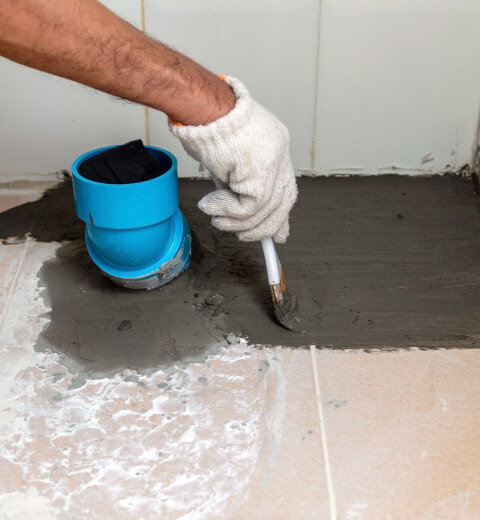
- Cementitious Waterproofing: This method uses cement-based coatings to waterproof roofs, particularly for concrete structures. Cementitious coatings are easy to apply and provide a solid, waterproof layer that is resistant to water and chemicals. This method is often used for rooftops with complex shapes or surfaces.
- Polyurethane Waterproofing: Polyurethane-based waterproofing provides a seamless, flexible coating that is highly resistant to water and weathering. This method is ideal for flat roofs and can be applied directly over existing roofing materials. Polyurethane systems are known for their durability and UV resistance, making them a popular choice in areas with harsh climates.
By investing in proper roof waterproofing, homeowners can protect their property from the long-term effects of water damage. Waterproofing extends the life of the roof, reduces the risk of leaks, and helps to maintain the structural integrity of the building. This investment not only protects the roof but also adds value to the property by preventing costly repairs and maintaining a safe, dry interior.